How Does the Solar Panel Installation Process Work From Consultation to Activation
June 26, 2026
Your summer power bill landed again, and the number made you stop. The air conditioner has run almost nonstop since May, the meter keeps spinning, and you have started noticing how many roofs around your neighborhood now carry rows of dark panels. You have probably wondered what it actually takes to get there, whether it means weeks of disruption, and how a panel on your roof turns into a lower bill. Here is the short version: the solar panel installation process moves through a clear sequence of stages, and most of the timeline happens before anyone climbs onto your roof.
After putting systems on homes across the Texas Hill Country and the neighborhoods around San Antonio, we can tell you the actual install is usually the fastest part of all. The planning, the roof check, and the design work are where a good outcome is won or lost. Walk through each stage below and you will know exactly what to expect, what questions to ask, and where the process tends to slow down.
It Begins With a Conversation About Your Power Bill
Everything starts with a close look at how much power you actually use. Before a single panel gets chosen, we go through twelve months of your usage so the system matches your real demand instead of a guess. Summer bills in South Texas tell most of the story, since your cooling load between June and September drives the bulk of what you pull from the grid. During this first conversation we ask about your goals: are you trying to wipe out your bill, hedge against rising rates, or prepare for an electric vehicle later. Your answers change the size of the array. We also talk through your roof age, since a roof with only a few years of life left is worth addressing before panels go up. This stage usually takes a single sitting, often by video, and it gives us enough to model what your home can produce.
The Roof Check and Site Assessment
The site assessment is where a system goes from idea to something measurable. A technician comes to your home and gets on the roof to check the structure, the decking, the condition of your shingles or tiles, and the angle and direction of each roof face. Direction matters more than people expect. Roof planes that face south and west carry the most production through a San Antonio afternoon, which is exactly when your cooling load peaks. We measure shading from oak trees, chimneys, and nearby rooflines across the full arc of the day, because a few hours of shade in late afternoon can pull real output off the system. Inside, we open your electrical panel and check the main breaker rating and available space. Many older homes around the city need a small upgrade here before solar can tie in safely. Accurate measurements at this stage prevent surprises on installation day.
Designing and Engineering Your System
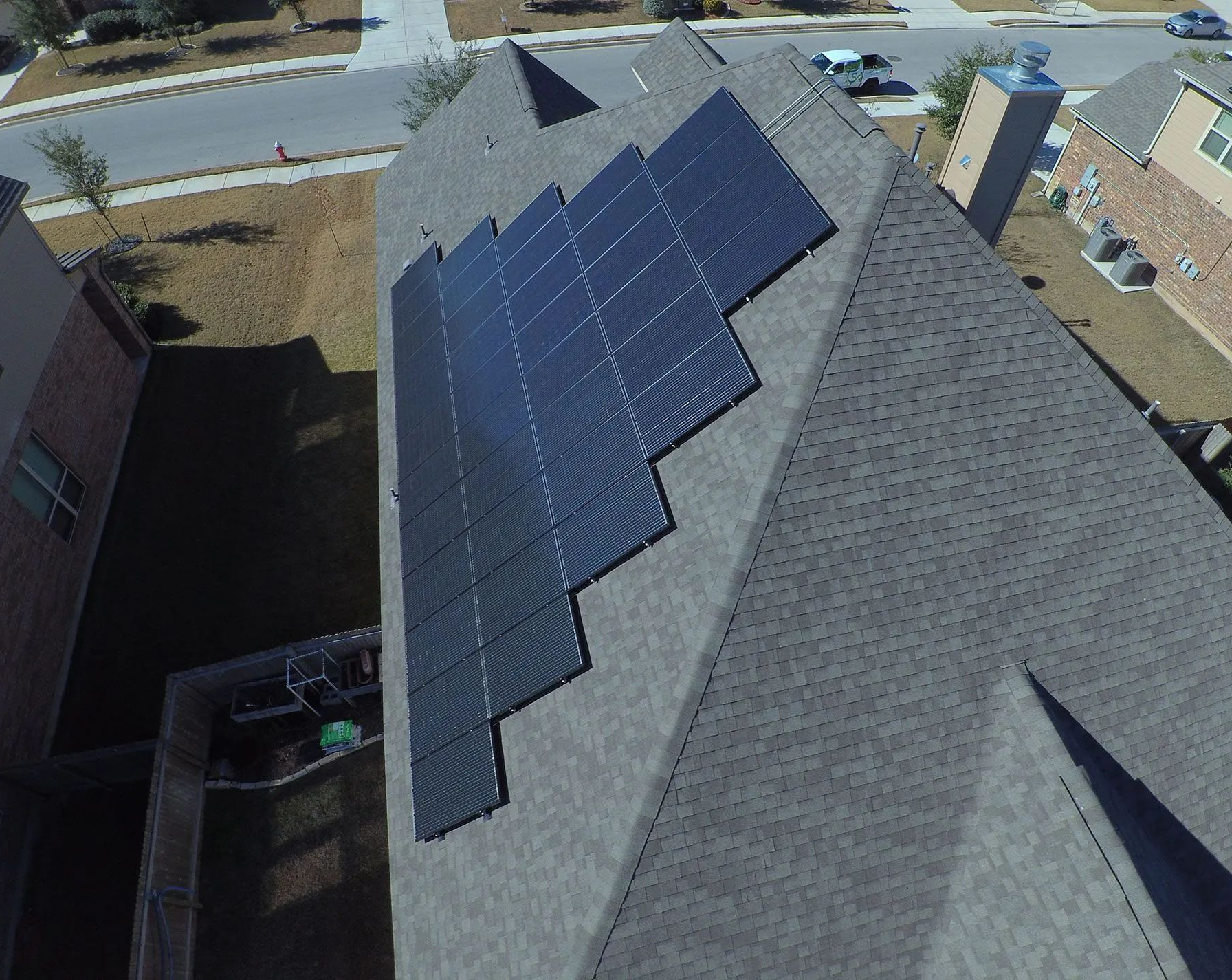
Once we have your roof measurements and usage, we design a system built around your specific home. This is where panel count, placement, and inverter choice get locked in. We lay out the array to capture the most sun while keeping clear pathways across the roof for safety and future service. Inverter selection depends on your roof: homes with shading from mature trees often do better with panel level electronics that keep one shaded panel from dragging down a whole row. We size the array to your annual usage, then send the plan through engineering to confirm your roof can carry the added weight, which sits around three pounds per square foot for most systems. Approvals and paperwork move in parallel. This part is mostly waiting, and it is the stage where timelines stretch, so the earlier your design is finalized, the sooner the rest moves.
Installation Day on Your Roof
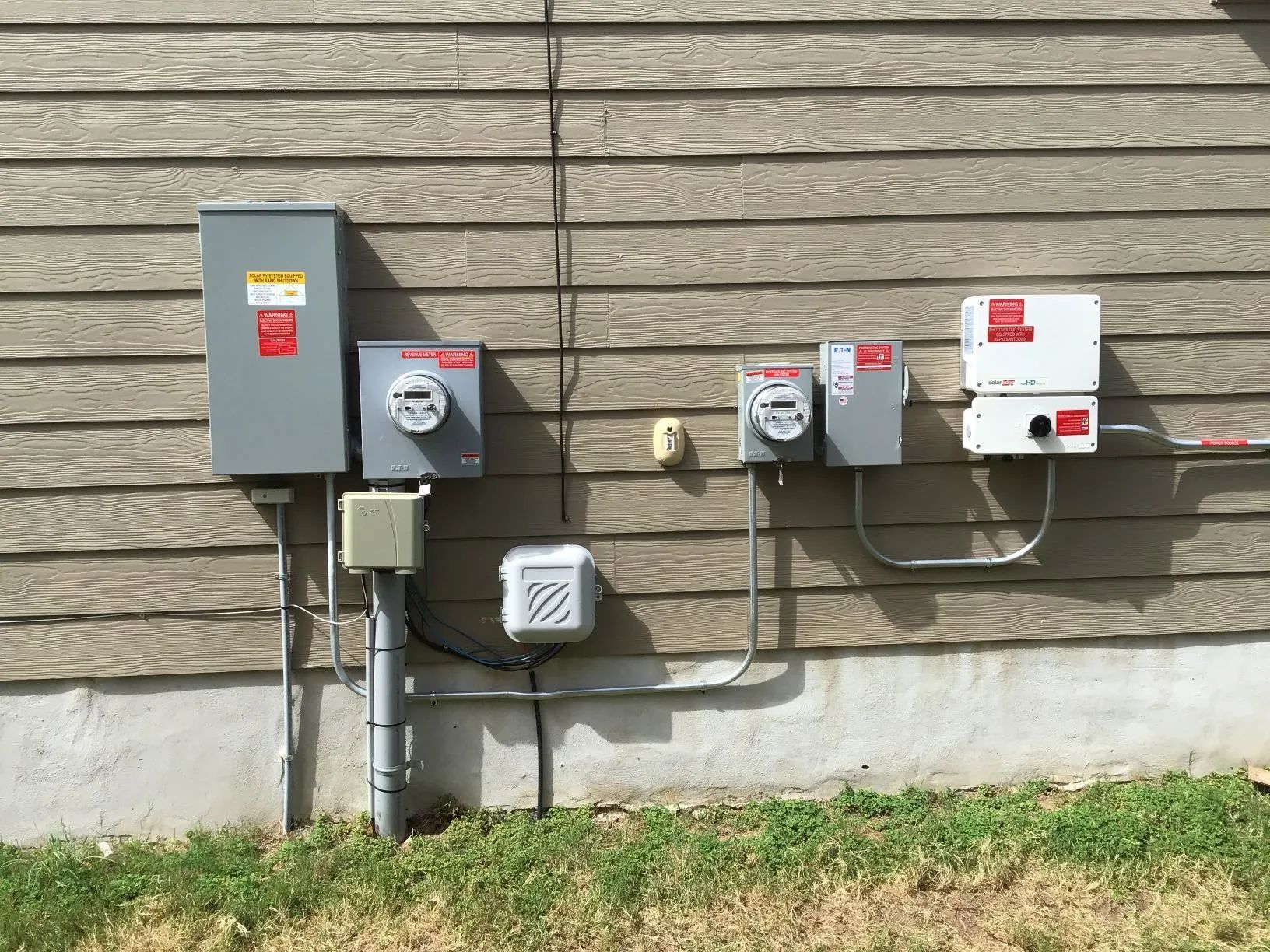
Installation day is the part everyone pictures, and it is usually the quickest stage of all. Most residential systems go up in one to three days depending on size and roof complexity. The crew arrives early, sets up safety lines, and starts by mounting the racking that anchors into your roof rafters, not just the decking. Flashing seals every penetration so your roof stays watertight through the next Texas thunderstorm season. Panels clamp onto the rails, wiring runs down to your inverter and electrical panel, and a production meter gets added so you can track output later. We work clean and protect your landscaping and driveway while we go. By the time the crew packs up, your system is physically complete. It is not producing power yet, since the final connection and activation still depend on an inspection and the green light from your utility.
Inspection, Connection, and Activation
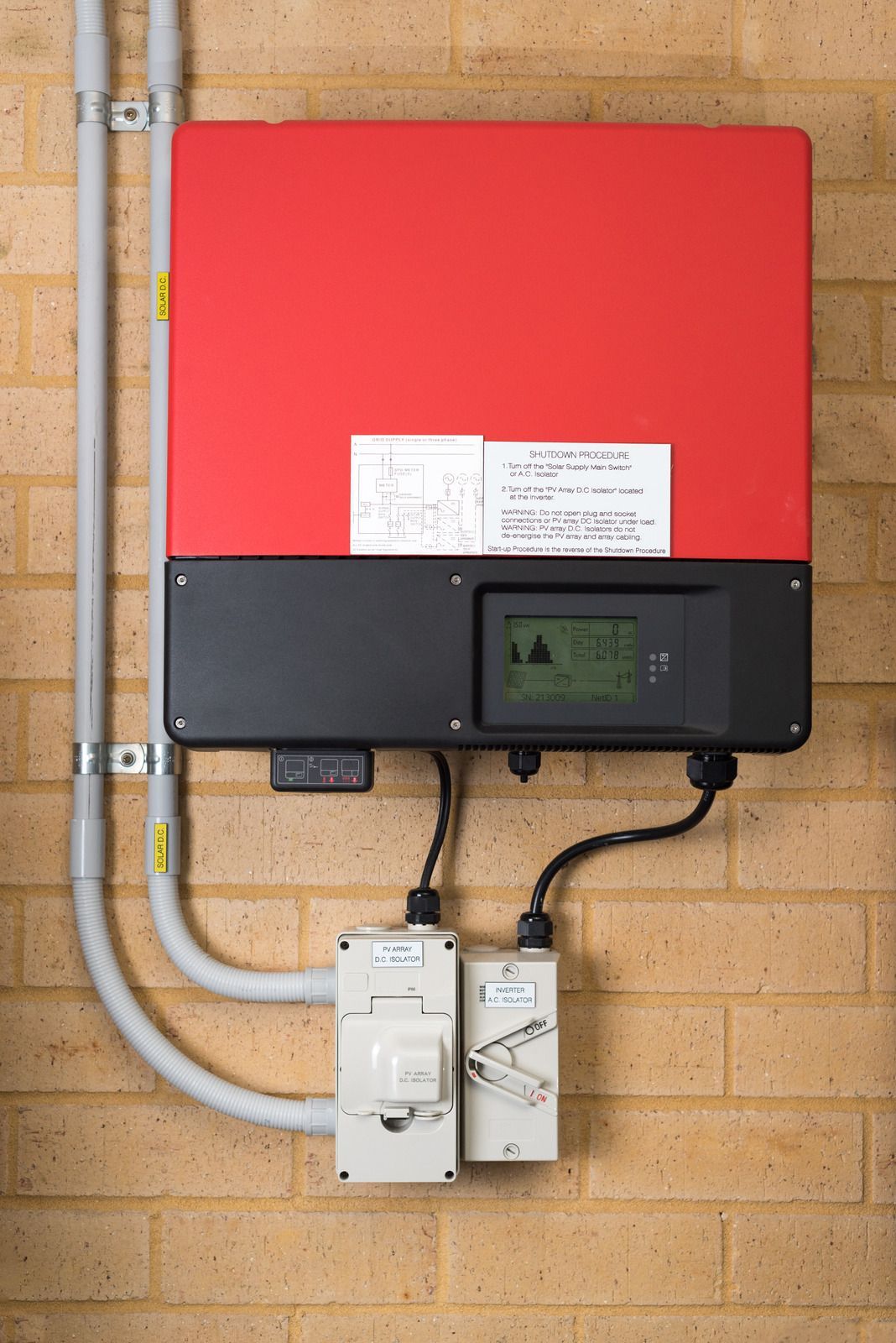
After the hardware is in, two approvals stand between you and a running system. First, a local inspector visits to confirm the work was done safely at the mounting points, the wiring, and the connection at your panel. Once that passes, your utility installs or approves a meter that can track power flowing in both directions, since your system will sometimes send extra production back out. This handoff is the most common spot where homeowners wait longer than expected, and the timing sits largely outside our hands. When the approval lands, activation itself takes minutes. We switch the system on, confirm the inverter is communicating, and walk you through the monitoring app so you can watch production by the hour. From that point your panels start offsetting what you would otherwise pull during those long San Antonio afternoons.
How San Antonio Sun and Weather Shape the Process
San Antonio gives solar a real advantage, but the local climate shapes how we install. The region sees strong sun for much of the year, which means well placed panels produce heavily from spring through fall. That same intensity brings heat, and rooftop temperatures here climb well past anything a panel in a cooler state ever sees. Because heat slightly reduces output, we mount panels with an air gap underneath so they breathe and shed warmth instead of baking against the shingles. Hail is the other local factor. Spring storms across South Central Texas can drop sizable stones, so we use panels rated to take direct impact and position the array with that risk in mind. Roof material matters too, since the clay tile and metal roofs common in older neighborhoods need different mounting hardware than standard asphalt shingle.
Frequently Asked Questions
How long does the whole solar installation process take?
From your first consultation to activation, most homes take four to eight weeks. The physical install runs one to three days, while design, engineering, approvals, and the utility connection fill the remaining time. Roof upgrades, panel changes, or busy inspection schedules can stretch this timeline further, so starting your design early keeps everything moving smoothly.
Is it safe to stay in my home during installation?
Yes. Crews work on your roof and at your electrical panel with the system powered off the entire time, so your home stays fully livable throughout the day. We cut power only briefly during the final connection, and we always tell you before that short window so you can plan around it without any disruption.
Does the San Antonio heat damage solar panels over time?
No. Panels are built to handle extreme rooftop heat, though very high temperatures do trim production slightly on the hottest summer afternoons. We offset this by mounting each panel with an air gap underneath that lets heat escape. Quality panels installed here keep producing reliably for decades, even through long, hot South Texas cooling seasons.
Will my panels keep working during a power outage?
Only if your system includes battery storage. A standard system tied to the grid automatically shuts off during an outage to protect line workers. Adding a battery keeps your essentials running when the grid goes down, which appeals to many San Antonio homes that remember how vulnerable they felt after recent Texas winter storm events.
What happens to the extra power my panels produce?
Power your home does not use flows back through your meter and offsets your future usage. On bright San Antonio days your array often produces more than you need around midday, then you quietly draw from the grid at night. Sizing the system correctly balances this daily power swing and keeps your offset working well.
Experienced Solar Professionals You Can Count On Daily
The real lesson is simple: most of a solar installation happens in planning, not on the roof, and the homes that go smoothly are the ones designed carefully from the first consultation. In San Antonio, where intense sun, summer heat, and spring hail all shape the right approach, that upfront work matters even more. Central Texas Solar
brings 100
years of combined experience to every install, serving homeowners across San Antonio, Texas, and the surrounding areas. When you are ready to see what your roof can produce, reach out and we will walk you through the full process for your home.