Solar Panels Not Producing Like They Used To? How to Spot a Failing System Early
July 31, 2026
Quick Answer: A small, gradual decline in solar output is normal. Panels lose roughly half a percent of their rated output per year, and hot Central Texas summers temporarily pull production down because panels make less power as they heat up. A sudden drop, a section of the array reading zero, a warning light on the inverter, or gaps in your monitoring app point to something else. Check the app for the pattern, look for physical damage after a storm, and if the numbers do not recover, have the system inspected before a small fault turns into weeks of lost production.
You pull up your solar app on a bright August afternoon in San Antonio, and the day's total is sitting lower than it did a year ago. The sky is clear, your roof looks fine from the driveway, and nothing about the house has changed, yet the number keeps coming in soft. That gap between what you expect and what the screen shows is the most common reason homeowners across the hill country start paying attention to a system they had happily ignored for years.
Some of that decline is normal aging and weather. Some of it is a fault quietly costing you power every day it goes unnoticed. Learning to read the difference keeps a minor issue from turning into weeks of lost production during the months your panels should be working hardest.
What Normal Production Looks Like
Before you can spot a problem, you need a feel for how a healthy system behaves through the year. Solar output is never a flat line. It rises and falls with the season, the angle of the sun, cloud cover, and the temperature on your roof.
Gradual yearly decline
Panels age slowly. Long-term field studies covering tens of thousands of systems put the median loss at about half a percent of rated output per year. A system producing strongly this summer should still be within a few percentage points of that a handful of years from now. A decline you can barely measure from one year to the next is expected. A drop you notice inside a single billing cycle is not.
Summer heat pulls output down
This one surprises people. Panels are rated at a cell temperature of 77 degrees, and they make less power as they get hotter. Most modern panels lose somewhere between a third and a half of a percent of output for every degree Celsius above that mark, and a dark rooftop in a San Antonio July can push cell temperatures well above the air around them. So a dip in peak output on the hottest afternoons is normal physics, not a broken panel, and production usually climbs again as evenings cool and the season turns.
Clouds, shade, and short days
Overcast stretches, a growing tree, or the lower winter sun all trim output in ways that have nothing to do with equipment health. A healthy system tracks these changes smoothly and recovers when conditions improve.
The Warning Signs Worth Taking Seriously
A real fault tends to look different from ordinary ebb and flow. These are the patterns that deserve a closer look.
Sudden, steep drops
Production that falls off a cliff between one week and the next, with no storm or weather to explain it, usually points to hardware rather than aging.
A section reading zero
If your monitoring shows one string or a group of panels producing nothing while the rest carry on, that is a strong sign of a wiring, connection, or panel-level fault in that zone.
Flat afternoons that never peak
When your curve should arc high at midday but instead settles into a low plateau day after day, an inverter that is clipping, faulting, or struggling is a common cause.
Gaps in the app
Missing data, frozen readings, or a system that keeps dropping offline can mean a monitoring or communication problem. Sometimes the panels are fine and only the reporting is broken, but you cannot know that until it is checked.
Tip:
Take a screenshot of your production app on a clear day now, while the system is behaving. Having a baseline you trust makes it far easier to prove, and to diagnose, a real drop later.
What Is Actually Behind the Drop
Once the pattern says something is wrong, the cause almost always traces to one of a handful of culprits.
The inverter
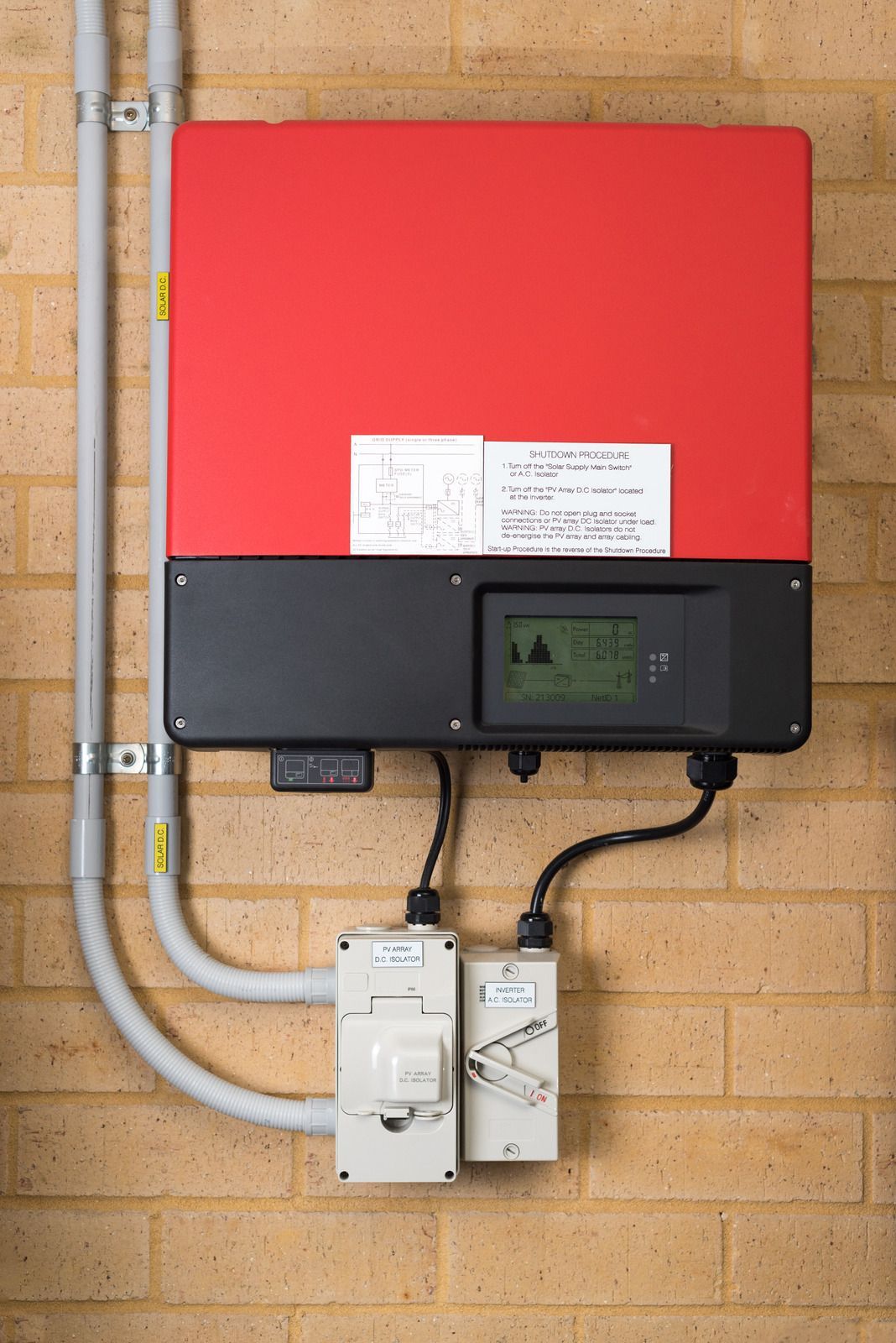
This is the part that converts panel energy into power your home can use, and it runs constantly in the heat. When it faults, output can fall sharply or stop, often with an error code or a warning light on the unit itself.
Wiring and connections
Terminals loosen and connections corrode over years of thermal cycling, especially in a climate that swings from hard freezes to brutal summer heat. A degraded connection can quietly bleed production or knock out part of the array.
Soiling
Dust, cedar pollen, and debris build a film across the glass that blocks light from reaching the cells. In our region the pollen seasons and dry, dusty stretches make this a bigger factor than many homeowners expect.
Storm and hail damage
Hail and high wind are facts of life here, and they can crack glass, damage cells, or loosen mounting hardware in ways that are not visible from the ground. A panel can look intact and still be underperforming.
Shading and roof issues
A tree that has grown, a new rooftop obstruction, or a mounting problem can all reduce output or hint at a repair the roof itself needs.
How Central Texas Conditions Factor In
The environment your system lives in shapes both how it performs and how it fails. Intense year-round sun is what makes solar work well here, but the same climate is hard on equipment. Extreme summer heat stresses inverters and connections and temporarily trims panel output on the hottest days. Hail and wind events can cause damage that hides until you look closely. Occasional hard freezes and the daily heat-and-cool cycle work connections loose over time. Even the summer grid strain that Texans know well can shape how a system behaves during peak demand. None of this means solar is a poor fit for the hill country. It means a system here earns a closer eye than one in a milder climate.
Warning:
Do not climb onto your roof to inspect panels yourself, and never open an inverter or handle wiring to chase a fault. A solar array carries live direct-current voltage even when the house power is off, and a hot San Antonio roof is a fall risk on top of the electrical one. Diagnosis belongs to a qualified technician.
How to Check Before You Call
You can gather useful information from the ground in a few minutes, and it makes any inspection faster.
Read the pattern in your app
Note whether the drop is sudden or gradual, all day or only at peak, across the whole system or just one section. Those details point straight at likely causes.
Look for the obvious
From the ground or a window, scan for cracked glass, debris, or panels knocked out of line after a storm. Check whether a monitoring gateway or a breaker has tripped.
Note the timing
Write down when the change started and whether weather, a storm, or a power event lined up with it. That timeline is often the fastest route to the answer.
Frequently Asked Questions
How much should my solar production drop each year?
Very little. Field research puts typical aging around half a percent of rated output yearly, so healthy systems lose only a sliver annually. A noticeable drop over one season or billing cycle isn't normal aging and warrants investigation.
Why does my solar output fall in the middle of a hot summer day?
Panels produce less power as they heat up, rated at 77 degrees cell temperature, slipping roughly a third to half percent per degree Celsius above that. A San Antonio rooftop runs hotter, so midday dips recover as things cool.
Can dirty panels really lower my production that much?
Yes. Dust, cedar pollen, or debris blocks sunlight before reaching the cells, and in dusty, high-pollen stretches that film adds up. Soiling is one of the more common and most fixable reasons output drifts lower.
What does a red light on my inverter mean?
A warning light or error code generally signals the inverter detected a fault and may have reduced or stopped production. Meaning varies by manufacturer. Treat it as a prompt for inspection, not something to reset repeatedly yourself.
How do I know if hail damaged my panels?
Often you cannot tell from the ground. Hail can crack glass or damage cells while a panel looks whole, and the clue may just be a drop starting right after a storm. Inspection confirms if damage occurred.
Should I wait to see if production recovers on its own?
A single cloudy or hot day that rebounds is fine. A drop persisting a week or more, or tied to an error light or dead section, won't fix itself, and every low day costs production you won't recover.
Reading the Early Signs of a Struggling System
Most solar problems start quietly. A connection works loose, an inverter begins to labor, pollen settles across the glass, and for a while the system keeps running well enough that nothing looks wrong from the driveway. The homeowners who catch these issues early are the ones who know what their production normally looks like and treat a real, lasting drop as a signal rather than a mystery. Central Texas Solar has spent 100 years serving San Antonio, Texas, homeowners through exactly these moments.
You do not need to become a technician. You need a baseline, a habit of glancing at the app, and a sense of which patterns are ordinary and which are not. A system that dips on a scorching afternoon or during a cloudy stretch is behaving normally. One that stays flat, goes dark in sections, or flashes a warning light is asking for a closer look before a small fault turns into weeks of lost production.